
We use cookies to improve your experience. By continuing, you agree to our Cookie Policy.
Foundations poured since 2016
Structural failures recorded
Years in operation
Temperature monitoring during curing
Concrete does not forgive guesswork. These figures reflect our commitment to precision, safety, and durability on every single construction site.
We inspect the site conditions, soil type, and weather forecasts before placing any formwork.

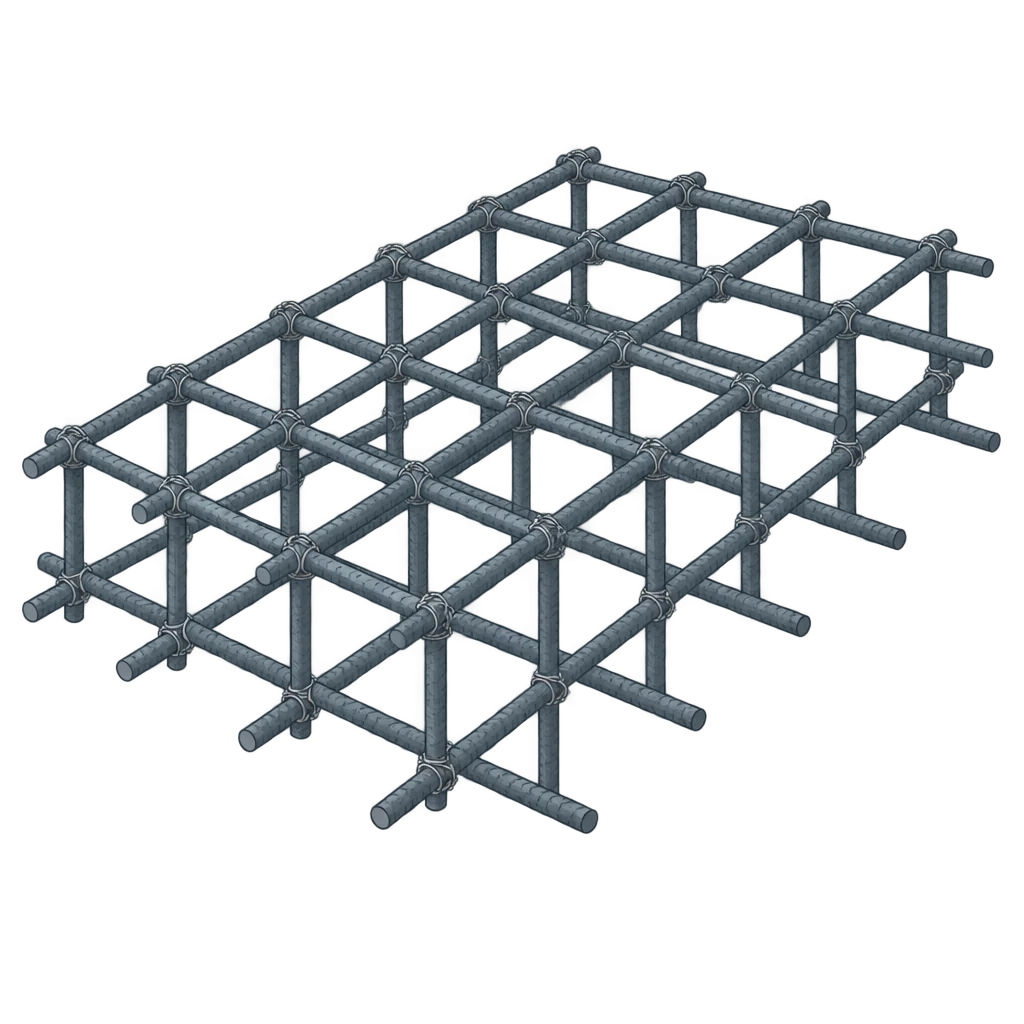
The concrete mix is delivered, poured carefully, and vibrated thoroughly to eliminate trapped air pockets.
We monitor the curing process closely, applying moisture and protecting the structure against extreme temperatures.
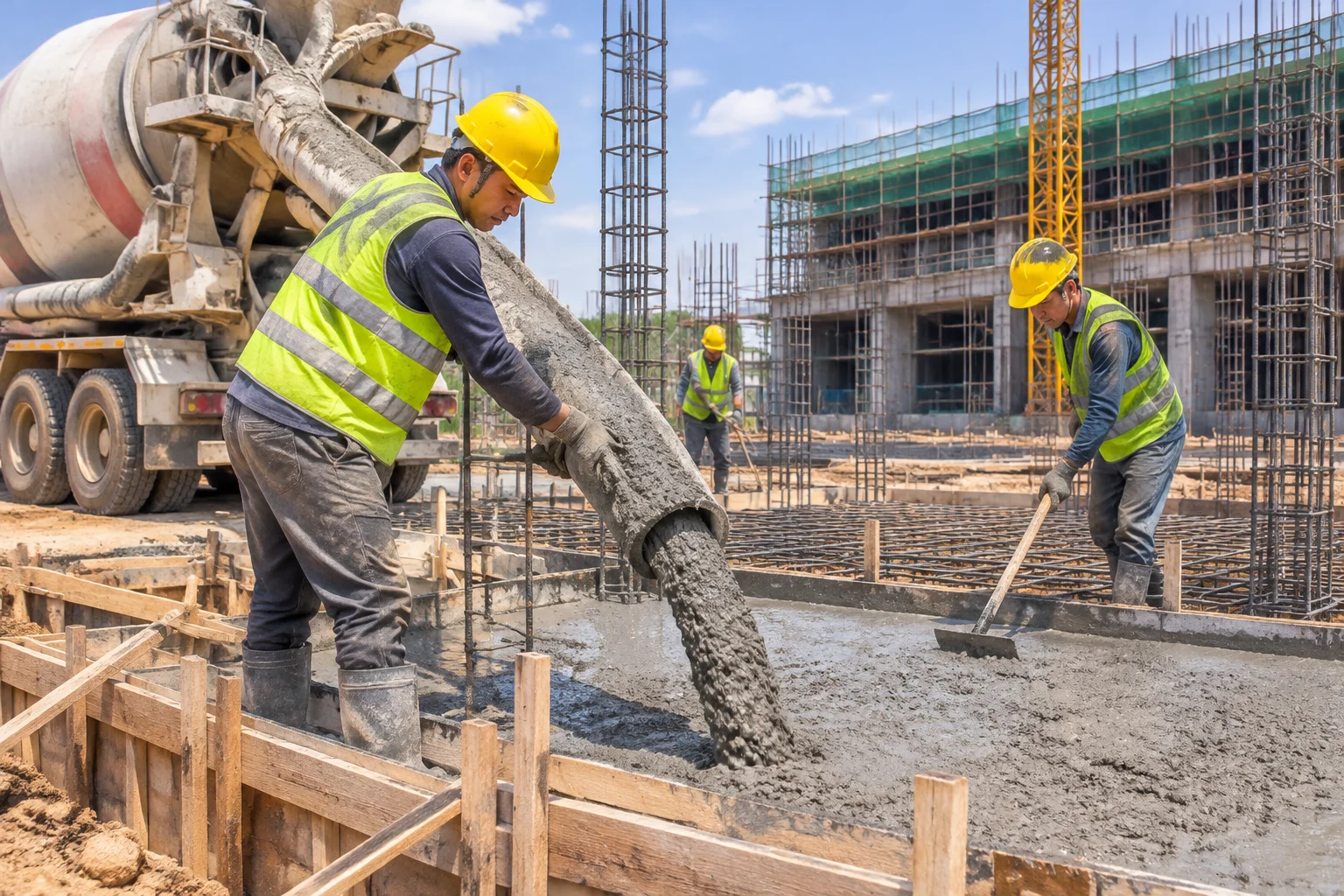
Pouring concrete looks deceptively simple from a distance. Trucks arrive, chutes swing into place, and a heavy grey sludge flows into wooden forms. Yet beneath that messy surface lies a complex chemical reaction that determines whether a building stands for a century or cracks within three winters.
Every foundation and wall carries the history of its creation. If the mix gets rushed, if the water content is out of balance, or if the weather turns hostile without warning, the structure pays the price. Understanding how concrete hardens transforms the work from guesswork into an exact craft.
Cement does not dry out to gain strength. It sets through hydration, a chemical process where water molecules bond with mineral compounds inside the cement powder. This means concrete needs moisture not just to remain workable during the pour, but to build its internal crystal lattice long after placement.
Adding extra water to make the mix easier to pump destroys that delicate balance. Excess water evaporates, leaving microscopic capillaries throughout the hardened mass. These tiny tunnels invite moisture penetration, freeze-thaw damage, and premature structural failure.
Temperature dictates everything on a construction site. On scorching summer days, water evaporates from the surface too quickly, starving the upper layer of the moisture required for complete hydration. Shrinkage cracks appear across the slab before the core has even begun to gain load-bearing capacity.
Freezing temperatures bring an entirely different danger. If the mixing water turns to ice before the chemical reactions have progressed sufficiently, the expanding crystals tear the internal structure apart permanently. Concrete requires thermal protection, heated blankets, or specialized admixtures whenever the thermometer drops toward zero.
Visual inspection reveals very little about the actual load capacity of a newly poured wall. Cylindrical test samples cast simultaneously with the foundation undergo crushing tests in laboratories to verify compliance with structural engineering requirements.
Rebound hammers and ultrasonic pulse velocity tests offer non-destructive ways to check progress on site. These methods measure surface hardness or wave transmission speeds, confirming whether the material can safely support the next floor or retain heavy backfill soils.
Time remains the ultimate ingredient in masonry work. Rushing the curing phase to meet an aggressive project schedule invites costly repairs down the road. Respecting the physical limits of cement paste ensures that buildings rest on a truly unyielding foundation.
Address Location
Mailing address
[email protected]Telephone number
+49 201 4903812Company
Stefan Weber
They poured the foundation for our commercial building right before the autumn rains started. The team managed the curing blankets perfectly, and the strength test results came back exceptionally high.
Marcus Becker
Working with Sinxtvorix was straightforward. They explained why we needed to wait longer before removing the formwork due to the cold nights, and that patience saved our basement walls.
Thomas Wagner
I was impressed by how thoroughly they vibrated the mix during the pour. Not a single honeycomb defect appeared when the shutters came off the retaining wall.
Sabine Klein
Building a house with a full basement is stressful, but the crew handled the waterproofing and the pour with incredible professionalism. Our inspector had no complaints whatsoever.
Andreas Hoffmann
Good concrete work requires discipline. These guys checked the slump and temperature on site every single truckload, which gave me total confidence in the structure.
Claudia Richter
They kept the site organized and managed the curing process meticulously even during a sudden heatwave. Our foundation walls are solid, smooth, and completely dry.